Row Crops Changing to Meet Consumer Demands
/Tyson Foods recently announced plans to improve environmental practices on two million acres of corn by the end of 2020. This is another example of consumer demands changing how farmers farm.
Read MoreLeading issues surrounding agriculture and the environment.
The Schroeder Ag Blog addresses issues facing farmers, ranchers, and businesses involved with crops, livestock, dairy, and meat production.
Tyson Foods recently announced plans to improve environmental practices on two million acres of corn by the end of 2020. This is another example of consumer demands changing how farmers farm.
Read MoreThe news for Romaine lettuce has been bleak lately. Haven’t we heard this before? Why lettuce? And what can we do about it? Blockchain technology would allow users to quickly trace lettuce from the store back to the farm.
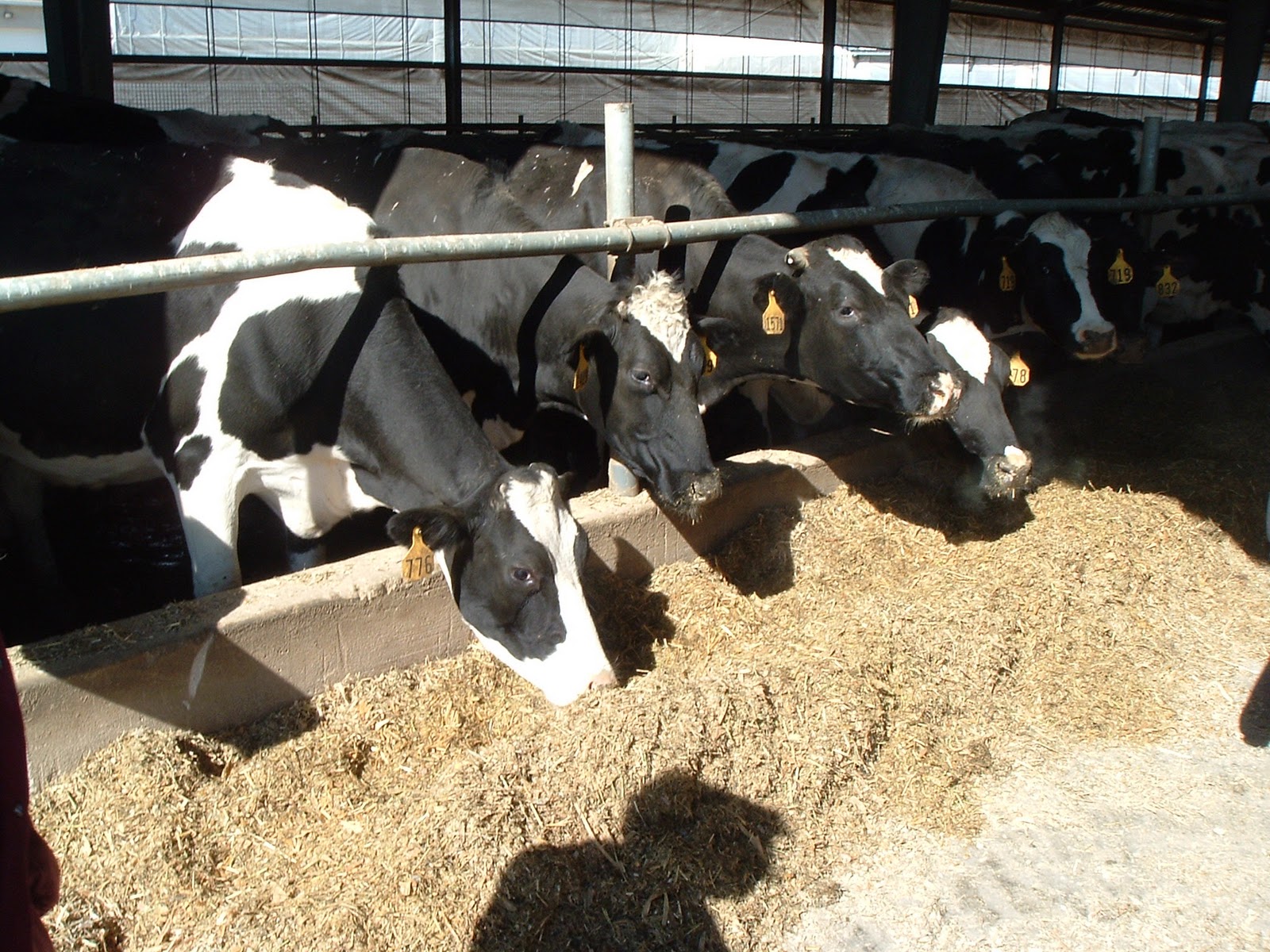
Read MoreConsumers have an endless variety of options at the grocery store these days. How are consumer demands impacting livestock farms?
Read MoreI spent some time on a college campus recently teaching an Ag Law class about the Indiana Right to Farm Act. This was a good chance for me to think about the Act in a new light and reminded me of two key facts about the Act.
Read MoreIn the constant back and forth of numerous court cases across the country, regulatory action, and congressional posturing, it can be hard to keep track of what waters the EPA has jurisdiction over any more. Most recently, a federal district court in South Carolina issued an order striking a rule that would delay implementation of the 2015 WOTUS definition.
Read MoreThe Indiana Court of Appeals just issued an opinion holding that a neighbor did not have “standing” to appeal variances because he did not show he was “aggrieved.” This case could be important for farmers whose neighbors want to appeal a zoning approval.
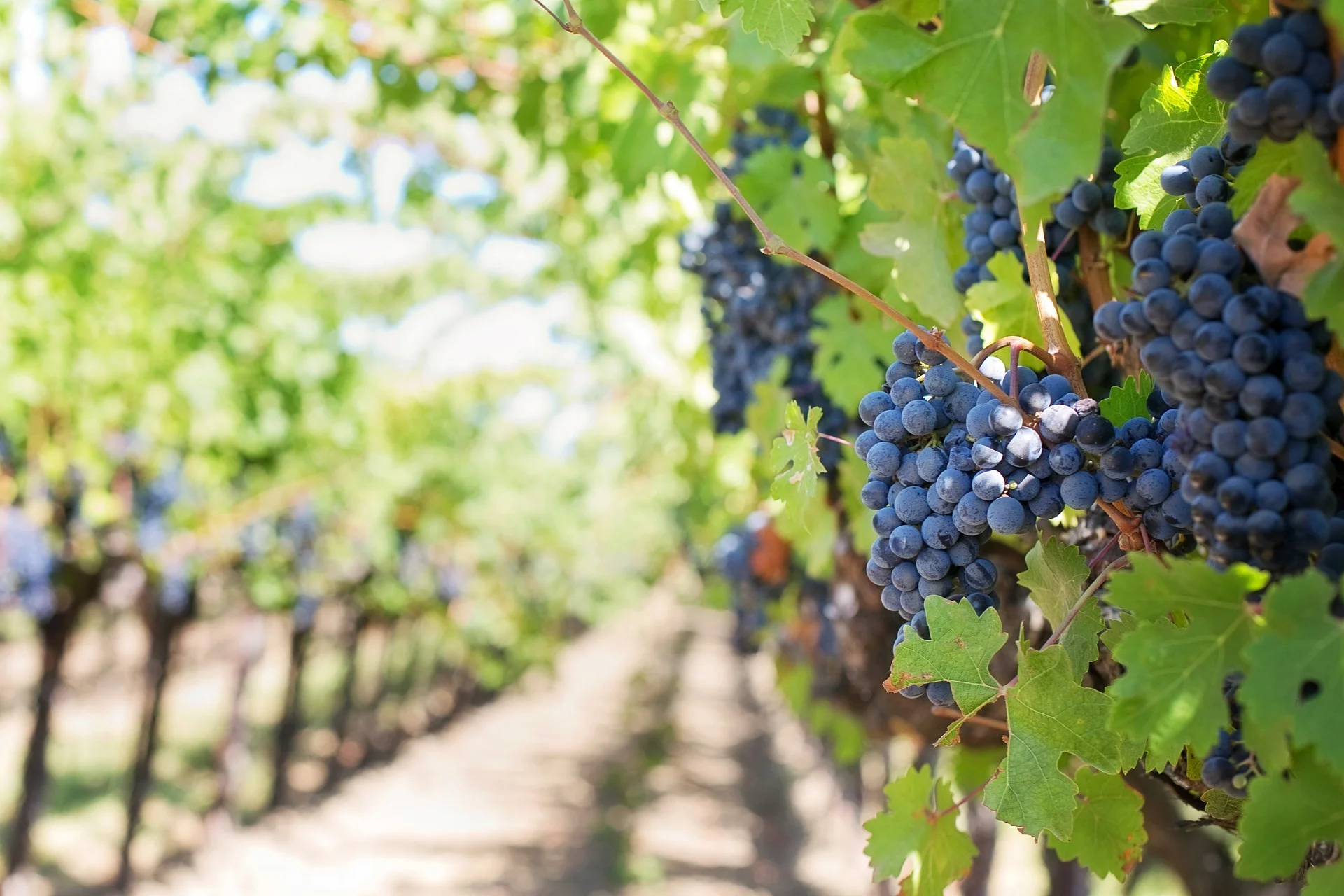
Read MoreLast week I drove to beautiful Monroe County, Indiana to present at an Indiana Winery and Vineyard Association annual meeting. We met at Creekbend Vineyard, Oliver Winery's commitment to producing wine from Indiana-grown grapes.
Read MoreCrop share agreements are more flexible than the fixed cash rent lease. There are benefits and drawbacks to this type of farm contract, including tax liability and risk allocation.
Read MoreA cash rent lease is a fixed agreement in which a landowner receives a fixed payment from the farmer to rent the farmland. There are pros and cons to this most widely used farm lease.
Read MoreI gave a presentation about farm leases this week to a national group of attorneys. I'm sharing some of my presentation here on the blog in case it can help our clients and friends when negotiating their own leases.
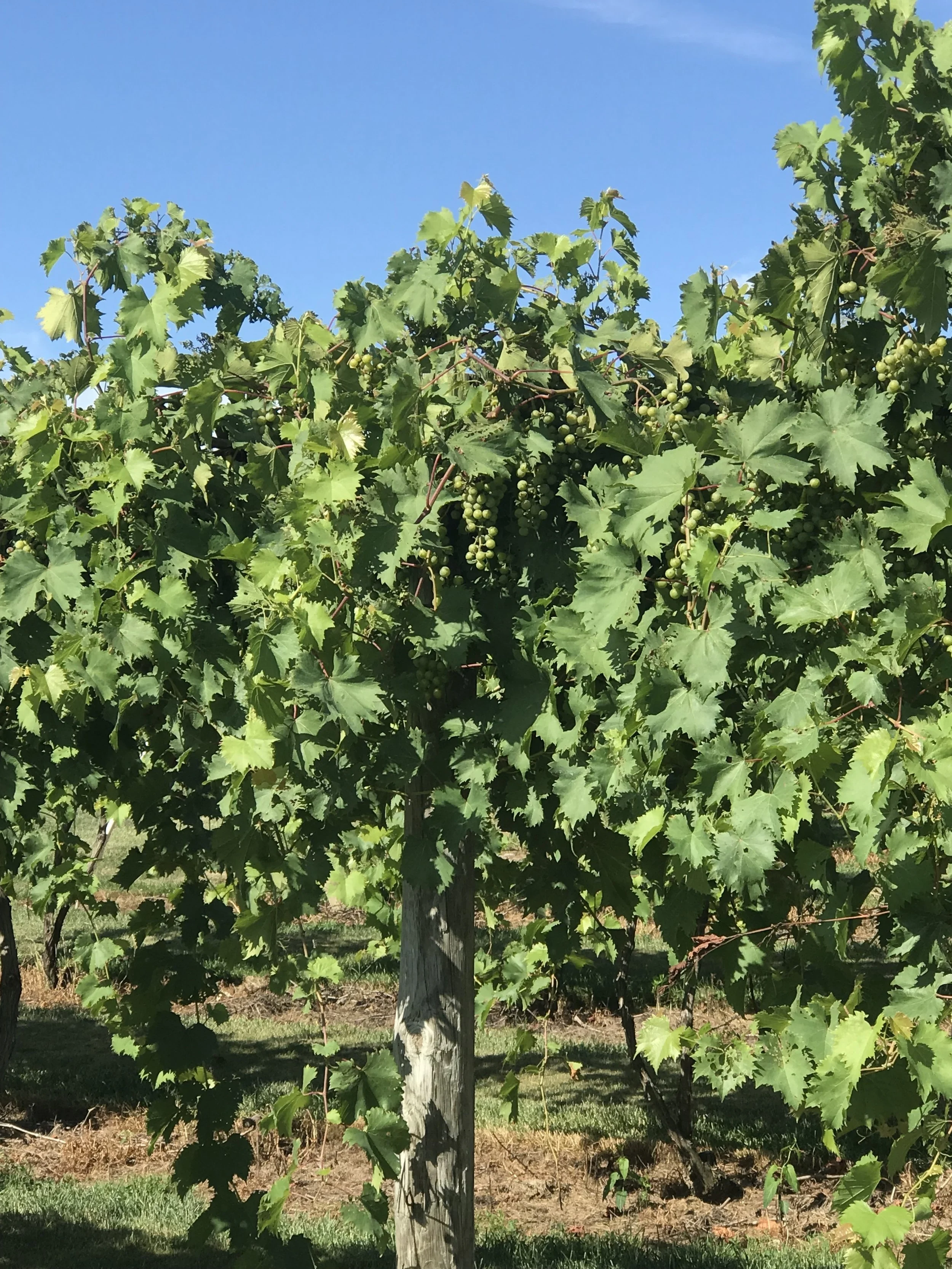
Read MoreAs of 2018, grape growers are required to adhere to the Food Safety Modernization Act ("FSMA") Produce Rule if they sell grapes to wineries. However, most grape growers will qualify for an exemption.
Read MoreOn April 26, 2018, a North Carolina jury awarded 10 plaintiffs a total of $50 million in punitive damages and $750,000 in compensatory damages for damages allegedly caused by a nearby hog farm. What does this mean for other livestock producers?
Read MoreThe 2018 federal omnibus spending bill fixed the problem caused by a federal court regarding air emissions reporting requirements for livestock operations.
Read MoreRecently we've seen a few counties consider blocking livestock development. But barring the construction of of livestock farms in rural areas often is legally suspect.
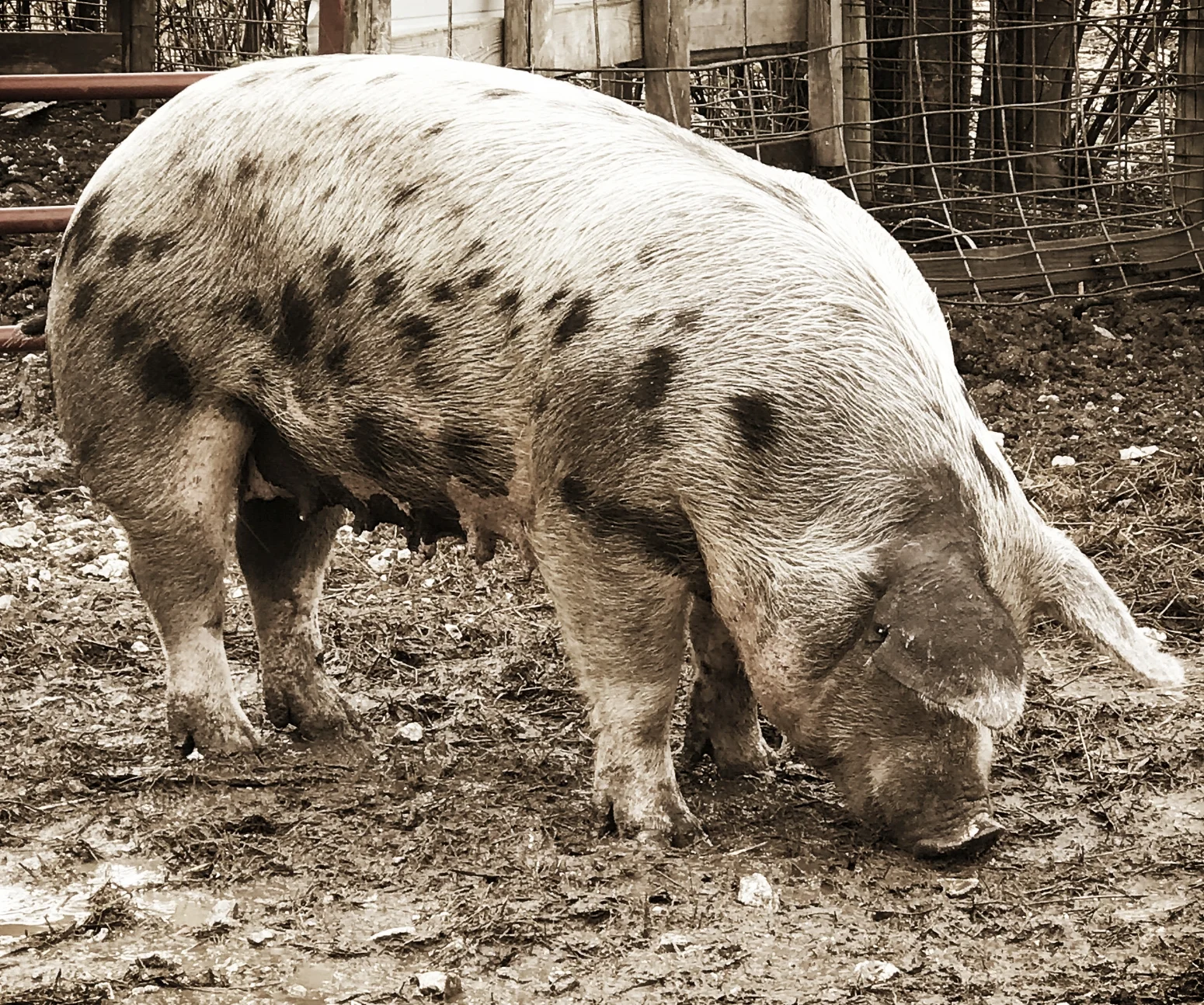
Read MoreI recently attended a whole hog butchering class here in Indianapolis, which closed the gap between farmer, butcher, and consumer.
Read MoreThe U.S. Cattlemen's Association recently filed a petition asking the USDA to issue a formal definition of "beef" as meat derived from cattle. This has set off a battle over labels with makers of lab-grown "clean meat" and plant-based meat substitutes. So just what is "beef"?
Read MoreSpecialty crops, like hops farms, deserve special attention. This post explains three important tasks a new or established hops farm should complete to ensure it is well-protected.
Read MoreOn January 19, 2018, the EPA requested another 90-day delay to the federal air emissions reporting requirement under CERCLA. The Court granted the request, extending the effective date of the mandate until at least May 1, 2018.
Read MoreOn January 16, 2018, the Indiana Court of Appeals upheld a county decision to allow a dairy to build a new farm in rural Rush County. The Court rejected arguments made by a nearby camp that the dairy's special exception would violate its religious rights.
Read MoreThe Indiana Supreme Court is currently considering when an appeal of a BZA decision must be filed in order to be timely. The outcome of this decision will impact so many agricultural land use projects around the state.
The team from Janzen Schroeder will attend the Livestock Summit sponsored by the Indiana Corn Growers Association and Indiana Soybean Alliance.
Brianna Schroeder will speak at a webinar sponsored by the Center for Energy Education on the topic “Preparing for Renewable Energy Leases: What Every Landowner Should Know.”
Janzen Schroeder Agricultural Law LLC / 8425 Keystone Crossing Ste. 111, Indianapolis, Indiana 46240 / 317.855.9920 / Disclaimer / Terms / Privacy Policy
USDA may have pulled the plug on the Climate Smart Commodities grants that were funding many climate change programs, but there are still a number of private industry offerings on the market. How can you sort through the various programs to pick one that is right for your farm?