

Eminent Domain and Renewable Energy
/
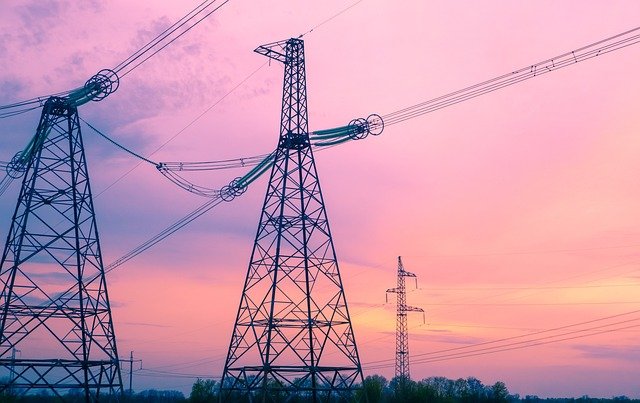
Eminent domain is government’s ability to take private land for a public purpose in exchange for just compensation. Can the public purpose stretch to cover renewable energy projects?
Read MoreLeading issues surrounding agriculture and the environment.
The Schroeder Ag Blog addresses issues facing farmers, ranchers, and businesses involved with crops, livestock, dairy, and meat production.
Eminent domain is government’s ability to take private land for a public purpose in exchange for just compensation. Can the public purpose stretch to cover renewable energy projects?
Read MoreTwo recent Indiana Supreme Court cases shed light on how the utility regulatory commission could, in the future, decide that county solar zoning ordinances are unreasonable and therefore void.
Read MoreI attended a 3-day environmental conference in Chicago. Here are my top 3 takeaways.
Read MoreFarmers are positioned to be the heroes—not the villains—of our country’s next chapter.
Read MorePlanning and zoning seems, at least at first, like a purely local issue. This idea is called Home Rule. But in most states, including here in Indiana, state (and federal) statutes limit a local government’s power.
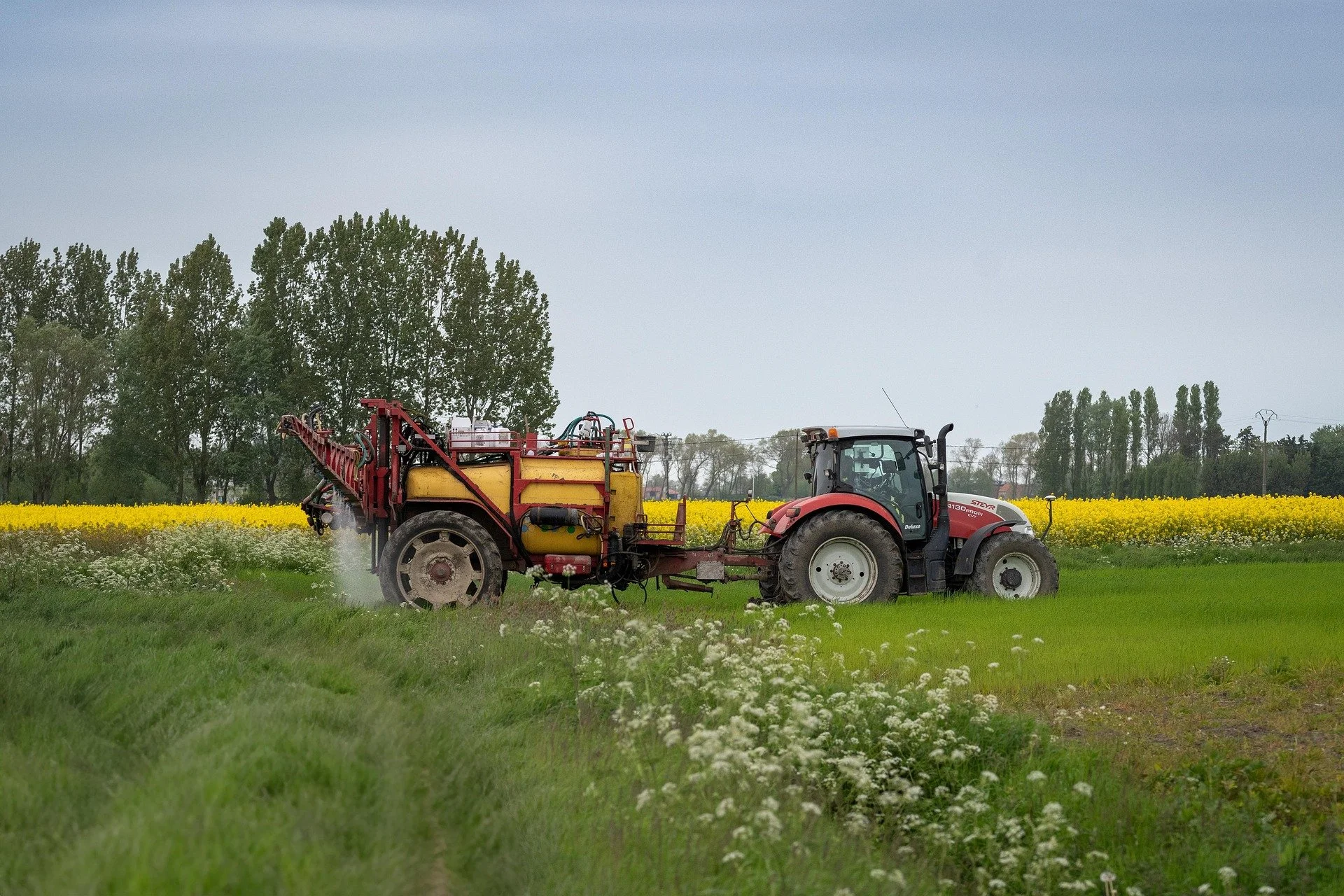
Read MoreOn June 25, 2026, the United States Supreme Court issued a much-awaited decision in Monsanto v. Durnell. The Court overturned a jury verdict for the plaintiff, holding a federal law that regulates pesticides preempted plaintiffs’ state law claims.
Brianna Schroeder will be a guest lecturer for the University of Maryland in a class focused on ag law.
The Janzen Schroeder team will attend the American Agricultural Law Association (AALA)’s 47th Annual Agricultural Law Educational Symposium.
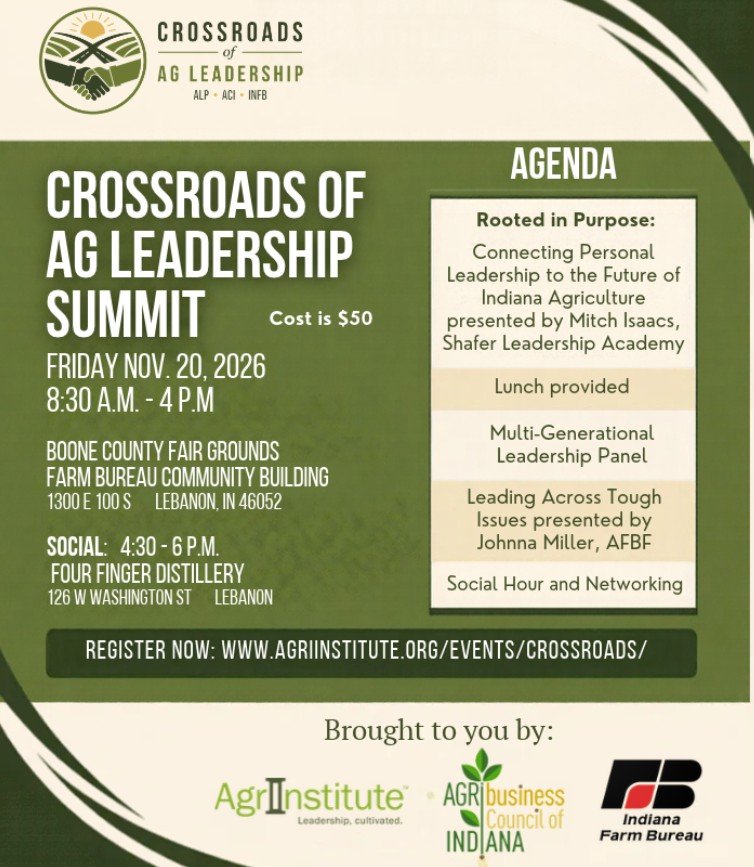
Brianna Schroeder will attend the “Crossroads of Ag Leadership” Conference presented by AgrIInstitute, the Agribusiness Council of Indiana and Indiana Farm Bureau.
Janzen Schroeder Agricultural Law LLC / 8425 Keystone Crossing Ste. 111, Indianapolis, Indiana 46240 / 317.855.9920 / Disclaimer / Terms / Privacy Policy






As America turns 250, it is time to revisit whether our system for owning and conveying real property is ready for the next century.